Freeze-drying is a powerful preservation method that removes moisture while keeping the shape, flavor, and nutrients of fruit intact. This process involves freezing the fruit first, then applying low pressure to slowly sublimate the frozen water into vapor, instead of letting it melt. By reducing surrounding moisture, it helps people extend shelf life, making fruits ideal for long-term storage and snacking. Unlike traditional drying methods, freeze-drying retains crispiness, enhances texture, and is widely used in culinary applications.
 credits:httpswww.freezedryerfactorys.com
The time required for freeze-drying depends on several factors, including the type of fruit, its water and sugar content, and the settings of the freeze-dryer used. Fruits with higher moisture like oranges and grapes take much longer compared to low-moisture options such as apples and bananas. Additionally, efficiency, temperature, and batch size also influence the overall duration. Understanding these variables ensures a successful process, preserving quality, and maximizing benefits for anyone looking to create lightweight, portable snacks.
Freeze-Drying Fruit: Time, Process & Best Practices
Understanding Freeze-Drying: A Unique Preservation Technique
Freeze-drying, also known as lyophilization, is a special preservation technique that removes moisture from food while keeping its structure, flavor, and nutrients intact. The process starts by freezing the item at extremely low temperatures before placing it in a vacuum. This helps remove ice vapor, bypassing the liquid phase entirely. By doing so, it prevents spoilage and maintains the texture and taste of the fruit, making it an ideal long-term storage solution.
Since freeze-dried fruit is lightweight, it’s perfect for making snacks that last for years. The method is widely used because it keeps food fresh without adding preservatives. Whether for home use or commercial purposes, freeze-drying is one of the best ways to enjoy fruit without losing its natural qualities.
Key Stages of Freeze-Drying
 credits:httpsgreenthumbdepot.com
1:- The Crucial Step of Freezing
To freeze-dry fruit, it must be rapidly frozen at extremely low temperatures, solidifying the water content inside its cells. This step is crucial as it prevents the formation of large ice crystals, which could damage the texture of the fruit.
2:- The Sublimation Process in Drying
During primary drying, heat is applied under reduced pressure, causing the frozen fruit to lose its ice directly as vapor without melting. This phase removes 95% of moisture, ensuring the fruit’s structure stays intact.
3:- Final Moisture Removal for Stability
In secondary drying, the remaining moisture is extracted by raising the temperature slightly, ensuring the fruit is completely dry and stable for long-term storage. Once this step is completed, the freeze-dried fruit is ready to be stored in airtight containers for extended use.
Easy Steps to Freeze-Dry Fruit at Home
Wash, clean, and dry fresh fruit before freeze-drying candy to ensure the best results. Remove any bad pieces and use ripe, suitable fruit for eating after the process.
Best Size for Freeze-Drying Fruit
 credits:httpsdriedfruitsguide.com
Cut fruit into smaller, evenly sized pieces for better results. While apricots can be freeze-dried in halves or quarters, making them more usable next time depends on your preference and desired outcome for snacking or storage.
- Oranges or other Citrus:- Citrus fruits like oranges can be cut into slender rounds.
- Apples:- can be skinned and chopped into pieces, or kept unpeeled and cut into slices.
- Pineapple:- should be peeled first, then cut into bite-sized chunks or sliced into rings.
- Apricots or Peaches:- can be cut into halves or quarters, but smaller chunks are more convenient for snacking and easier to use. The halves I prepared felt slightly large.
- Bananas:- should be peeled, and slicing them is the best option. You can also cut the slices in half for smaller, snack-sized pieces.
- Berries:- are naturally small and can be freeze-dried whole. Blueberries dry faster if their skin is punctured to release moisture, while raspberries only need a thorough rinse.
- Cherries:- should be pitted and, like berries, can be freeze-dried whole or cut into halves.
- Grapes:- should at least be punctured to break the skin but freeze-dry more effectively when cut in half.
Should You Pre-Freeze Fruit?
Pre-freezing fruit on trays or cookie sheets in the freezer at -30 to -50°F can shorten the overall freeze-drying time. This step helps the machine run more efficiently, making the food ready faster with little effort before drying.
How Much Time Does Freeze-Drying Take?
 credits:httpswww.foodrepublic.com
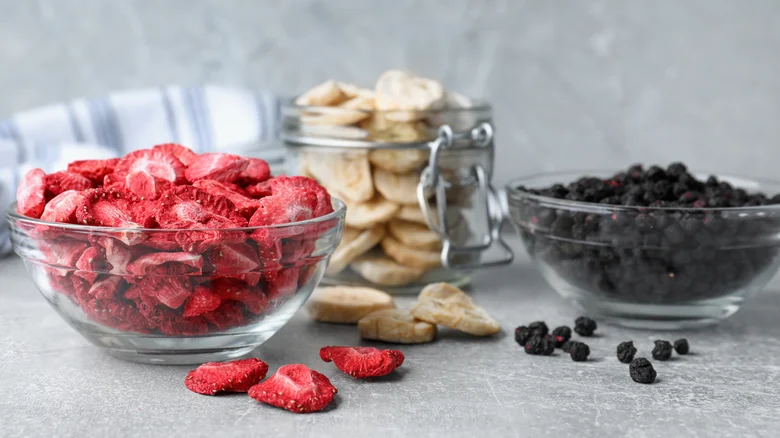
The freeze-drying process for fruit takes 20 to 48 hours, depending on factors like temperature, vacuum pressure, and moisture levels. Unlike traditional dehydration, which takes a few hours, sublimation removes moisture slowly under precise control for the best results.
Factors That Affect Freeze-Drying Time
1. Type of Fruit
Different fruits have unique textures, densities, and moisture content, affecting their freeze-drying duration. For instance:
- Berries (strawberries, blueberries, raspberries) – Small in size and naturally designed to dehydrate rapidly, these generally require 20-30 hours.
- Bananas and Apples – Medium-textured fruits with a balanced moisture level, typically take 24-36 hours to freeze-dry.
- Citrus Fruits (oranges, lemons, limes) – Elevated water content causes these to need 30-48hours for complete dehydration.
- Dried apricots through freezing – 24-48 hours
- Freeze-dehydrated apple slices – 10-12 hours
- Freeze-dehydrated cherries – 24 to 36 hours
- Freeze-dehydrated peaches – 24 to 36 hours
- Freeze-dehydrated strawberries – 24 hours
- Freeze-dehydrated pineapple – 24 hours
2. Water Content and Sugar Levels
Fruits with higher water content, like melons and citrus, take longer to freeze-dry, while drier ones, such as apples and bananas, dry faster. Sugar also plays a role, as high levels in mangoes and grapes bind moisture, making the sublimation process slower and requiring extra time.
3. Freeze-Dryer Settings and Machine Type
The efficiency of a freeze-drying machine influences drying time. Home freeze-dryers take longer, while commercial-grade machines have lower vacuum pressure and better temperature control. Adjusting settings, like shelf temperature, can speed up or slow the process, depending on the specific fruit to ensure optimal results for long-term storage or snacking.
Tips for Freeze-Drying Fruit
- Keep it fresh:- Select ripe, sturdy fruits that show no indications of decay or deterioration.
- Cut the fruit into consistent pieces:- Smaller pieces dry more quickly during the freeze-drying process.
- Use frozen fruit:- Fresh produce takes longer since the freeze-dryer needs to reach low temperatures. Speed up the process by using already frozen fruit. Ensure the freeze-dryer is pre-chilled before placing trays to prevent thawing.
- Read the manufacturer’s instructions:- Every machine varies, so take the time to understand the correct way to load and operate your freeze-dryer.
- Focus on the fruit, not the time:- Similar to dehydration, duration varies. Each batch of fruit differs slightly, and some may take longer than others. The fruit should be crisp when finished. Check multiple pieces on the tray, and if they aren’t fully dried, continue the process.
Best Types of Fruits for Freeze-Drying
Not all fruits freeze-drying candy at the same rate. Some maintain their shape and texture better, while others take longer to process effectively. Understanding which fruits work best helps achieve better results for long-term use.
Low-Water vs. High-Water Fruits
 credits:httpsdriedfruitsguide.com
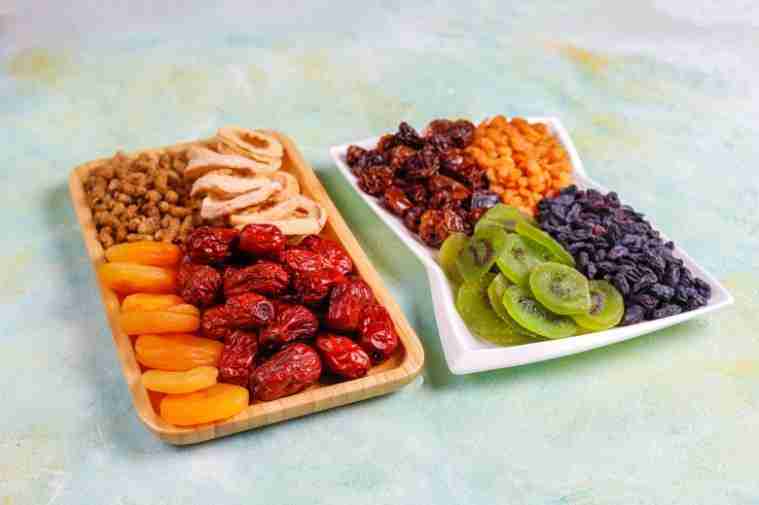
The water content of fruit significantly impacts freeze-drying efficiency. Low-water fruits dry faster and retain their shape better, while high-water fruits take longer to produce the best results. Always choose wisely for better freeze-drying success.
- Fruits with low moisture (best suited for freeze-drying): Apples, bananas, mangoes, and strawberries.
- Fruits with high moisture (harder to freeze-dry): Watermelon, grapes, and oranges.
Fruits That Freeze-Dry Well
Certain fruits are especially ideal for freeze-drying due to their composition and balanced moisture content.
- Apples – Dehydrate rapidly and attain a light, crunchy consistency.
- Strawberries – Maintain their form and taste remarkably well.
- Mangoes – Naturally sweet and mildly chewy after freeze-drying, making them a favored option.
- Bananas – Dehydrate effortlessly and turn crispy with enhanced sweetness.
Fruits That Take Longer or Don’t Freeze-Dry Well
 credits:httpsaugasonfarms.com
Although the majority of fruits can undergo freeze-drying, certain ones need extended drying periods or may not achieve the desired results:
- Watermelon – Its exceptionally high water content makes successful freeze-drying challenging, often resulting in a porous texture.
- Grapes – Their thick skin and high sugar content prolong the drying process. Cutting them into slices before freeze-drying improves results.
- Citrus fruits – Although freeze-drying is feasible, their high water content extends the process and may compromise their structural integrity.
Selecting the right fruits allows for a more efficient freeze-drying process and enhances the quality of long-term storage or snacking.
Step-by-Step Guide to Freeze-Drying Fruit
To preserve the flavor, nutrients, and texture of fruit, you need the correct process. Following a step-by-step method helps in efficiently removing moisture while keeping it fresh for long-term storage.
First, slice the fruit evenly for great drying. Pre-freezing is key to ensure the best results. The freeze-drying machine then removes water, keeping its taste intact. Finally, pack it well for lasting storage.
1. Prepping the Fruit
Successful freeze-drying starts with the proper handling of fruit. Before placing it in the freeze-dryer, you must follow important steps.
Wash thoroughly, remove any bruises, and cut into even pieces. This preparation is the key to removing moisture efficiently while keeping the taste intact.
- Wash thoroughly – Eliminate dirt, pesticides, and any leftover residue from the fruit.
- Slice evenly – Cutting fruit into uniform pieces or small chunks accelerates drying and ensures consistent results.
- Arrange evenly on trays – Lay the fruit in a single layer, ensuring enough space between pieces for uniform freezing and drying.
2. Using the Freeze-Dryer Correctly
Properly setting up the freeze-dryer ensures efficient and effective fruit drying.
- Pre-freeze for optimal results – Although not always required, chilling the fruit for a few hours before freeze-drying can accelerate the process.
- Adjust temperature and time correctly – While most freeze-dryers have automatic settings, if setting manually, refer to the manufacturer’s guidelines for each fruit type.
- Seal the chamber securely – A proper seal is essential to maintain the vacuum required for sublimation.
3. Monitoring the Process for Best Results
Regularly monitoring the freeze-drying process ensures the fruit dries properly and efficiently.
- Assess dryness – Fully freeze-dried fruit should be completely dry, crisp, and free from any stickiness or softness.
- Conduct a texture test – Snap a piece in half; if any moisture is present, additional drying time is required.
- Store promptly – After drying, place the fruit in airtight containers or vacuum-sealed bags to avoid moisture absorption.
By following these steps, you can achieve perfectly freeze-dried fruit that maintains its flavor, crispness, and long shelf life for months or even years.
How to Use Freeze-Dried Fruit
 credits:httpsitalian-feelings.com
Keep a stash of freeze-dried fruit for a great snack. Each piece has an intensely concentrated flavor, a satisfying crunch, and a light shatter when bitten.
The freeze-drying process locks in the fresh taste, making it perfect to eat as-is or add to yogurt, cereal, and even candy.
- Enjoy as a nutritious snack
- Mix into yogurt
- Top off ice cream
- Bake into cookies and cakes
- Incorporate into trail mix or granola bars
- Blend into smoothies
- Grind into a powder for flavoring batters
- Use as a natural coloring and sweetener for frosting
Best Ways to Store Freeze-Dried Fruit for Longevity
Proper storage is essential to maintain the quality and crisp texture of freeze-dried fruit. The best method is to store it in vacuum-sealed bags, mylar pouches, or airtight containers with oxygen absorbers.
Use mason jars to prevent moisture and air from affecting freshness. Keep them in a cool, dark, and dry place, away from sunlight, heat, and humidity to extend the shelf life. Frequent exposure should be avoided, as the fruit may absorb air and lose its crunch over time.
Shelf Life and Smart Ways to Use Freeze-Dried Fruit
When stored correctly, freeze-dried fruit can last between 5 to 25 years, depending on packaging and environmental conditions. For daily use, consuming it within 6 to 12 months ensures the best flavor and texture.
This fruit is incredibly versatile—it can be eaten as a crunchy snack, blended into smoothies, rehydrated for recipes, or added to cereals and baked goods. By following proper storage practices, you can enjoy the benefits of preserving its taste and nutritional value.
Common Freeze-Drying Mistakes & Best Practices
One common mistake in freeze-drying fruit is removing it too soon, leaving it under-dried and sticky. Grapes and watermelon take longer due to their high water content and need more time to dry completely. Always check moisture by breaking a piece in half—if it’s cold or damp inside, it needs an additional cycle.
To avoid errors, ensure the cycle runs for the required duration and that the freeze-dryer is correctly setting the temperature, vacuum pressure, and settings based on the type of fruit processed. Incorrect settings lead to incomplete drying, affecting shelf life. Pre-slicing, evenly spreading in a single layer, and regular maintenance like cleaning filters, checking seals, and room temperature testing improves efficiency and prevents failures.
Using these best practices, you can achieve a crispy texture that stays fresh for months or even years!
Final Thoughts on Freeze-Drying
The process to preserve flavor, texture, and nutrients for long-term storage typically takes 20-48 hours, based on factors like type and water content. Proper freeze-dryer settings help in removing moisture while retaining the natural sweetness. This extends shelf life significantly, making it perfect for snacking, cooking, or emergency food.
With proper preparation, freeze-dried fruit remains fresh for months or even years. It’s a convenient, healthy way to store food, and trying it at home is a rewarding, practical option!
FAQS (Frequently Asked Question)
How long does it take to freeze-dried fruit?
The entire freeze-drying process takes about 20-48 hours, based on factors like size, quantity being freeze-dried, and freeze-dryer model. Freezing strawberries first helps in sublimating moisture under vacuum for better results.
How can I speed up my freeze-drying?
Reducing drying time is possible by heating the product with silicone heating pads or tape on shelves. A cold trap helps increase load efficiency for faster results.
Can I freeze dry fruits at home?
Yes, you can freeze-dry at home! Wash, prepare, and slice fruits, vegetables, or herbs into uniform pieces to dry quickly. Remove damaged parts and arrange produce on a baking sheet or tray before placing it in the freezer.
How long does freezing fruit take?
To freeze fruit properly, cut it and place it in a single layer on a baking sheet lined with compostable parchment paper or a silicone liner. Pre-freezing for 2-3 hours on a tray prevents sticking together in a blob and ensures it’s fully frozen.
How do I cook with freeze-dried fruit?
You can use freeze-dried fruit in desserts, muffins, or enjoy it in its dry state. To rehydrate, let it absorb moisture before mixing it into cooks recipes.