In my work with laboratory applications, I learned that selecting the optimal method for preserving sensitive materials is vital, especially when handling biological samples, foods, or pharmaceuticals. Freeze-drying involves freezing the material so ice can solidify, then moving into sublimation under reduced pressure, skipping the liquid stage and turning straight to vapor. This way, moisture is removed, stopping degradation while holding onto nutritional retention, texture, and integrity. I have seen how this supports biological research, production of vaccines, and even ready-made meals, extending shelf life, safeguarding structure, and giving long-term stability.
At the same time, vacuum-drying uses a vacuum oven where the speed of desorption helps residual water get extracted efficiently. This technology shows strong efficiency for industries needing fast processes, but it may reduce nutrients, quality, and prove less suitable for delicate materials. This article takes a deep dive into the differences, mechanisms, and advantages of these techniques, looking at preservation, longevity, and practical understanding as a gateway to an informed decision based on application requirements.
 credits:httpswww.zzkdinstrument.com
For me, keeping freshness in food feels tied to civilization, where people once used salting, smoking, and other sophisticated technological processes. Now, modern solutions like vacuum drying and freeze drying help extend shelf life, offering methods of convenience, better storage, critical safety, and preserving nutritional quality. This blog acts as a guide, offering insights into the nuances of these technologies, their impact today, and helping readers decide the method that fits their needs best.
Freeze Drying vs. Vacuum Drying: Which One Should You Choose?
What Is Freeze-Drying?
 credits:httpsdriedfruitsguide.com
Freeze-drying fruits, also known as lyophilization, is a preservation technique that removes moisture from sensitive products by first freezing them and then converting ice directly into vapor through a process called sublimation. This method consists of three stages—primary drying, where most of the moisture is removed, and secondary drying, which ensures the removal of any remaining moisture. Who Developed Freeze-Drying? By operating at extremely low temperatures under a vacuum, freeze-drying preserves the structure, nutrients, and flavors of materials, making it ideal for long-term storage. It is widely used in the pharmaceutical, food, and biotechnology industries for preserving items like vaccines, instant coffee, fruits, and pet foods. Freeze-dried products are lightweight, easy to store, and have a significantly longer shelf life, making them perfect for transportation and long-term storage.
Freeze-Dried Foods:-
 credits:httpsaugasonfarms.com
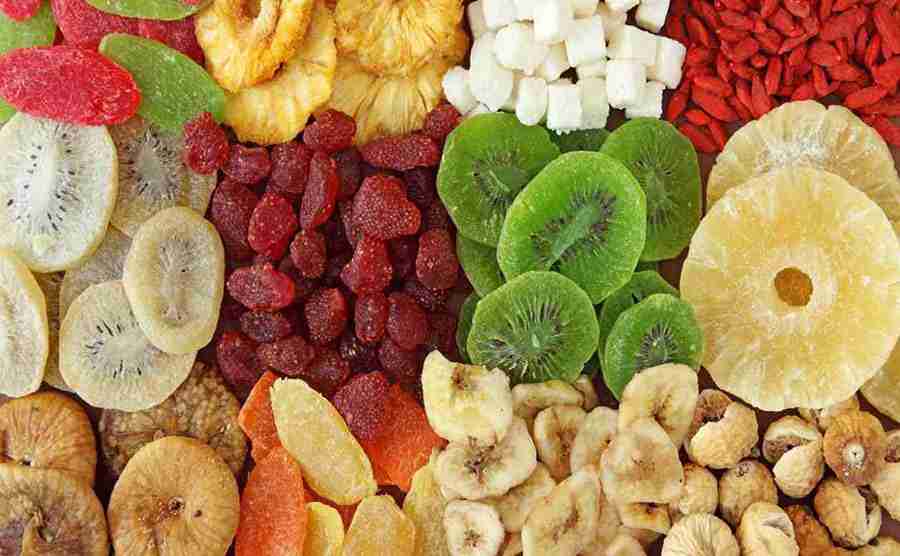
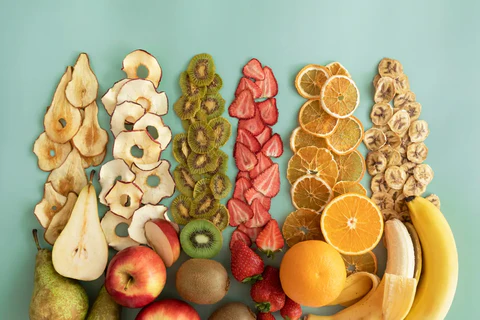
- Fruits: Strawberries, blueberries, apples, and bananas are excellent choices for freeze-drying due to their texture and flavor retention.
- Vegetables: Peas, corn, mushrooms, and broccoli are great options for freeze-drying as they retain their texture and nutrients well.
- Meat and Seafood: Chicken cubes, beef slices, and shrimp freeze-dry well, preserving their texture, flavor, and shelf life.
- Dairy Products: Yogurt bites and cheese cubes freeze-dry well, maintaining their texture and flavor for long-term storage.
- Prepared Meals: Instant soups, pasta dishes, and rice bowls freeze-dry effectively, making them convenient for quick and long-term storage.
Typical Machines for Freeze Drying
 credits:httpsgreenthumbdepot.com
A versatile machine used for freeze-drying consists of a vacuum chamber where samples are placed on shelves and the air is evacuated, reducing pressure to enable sublimation. Inside, a condenser and refrigeration unit work together to keep temperatures extremely low, typically around -40°C to -80°C, with some systems maintaining even colder conditions like -60°C. How Freeze-Drying Helps You Stick to Your New Year’s Plans, This setup captures sublimated water vapor and converts it into ice, effectively removing moisture from the product while preserving its structure.
What Is Vacuum Drying?
 credits:httpspracticalselfreliance.com
Vacuum drying is a technique for removing moisture from materials using a vacuum chamber that lowers atmospheric pressure and reduces the boiling point of water. This allows it to evaporate at lower temperatures, making it ideal for heat-sensitive substances that could suffer degradation. By using less energy, this method speeds up the transition of liquid to vapor, preserving properties in pharmaceuticals, drugs, and chemical industry powders. It is widely used for compounds, food flavors, and powdered products, ensuring faster drying times, better quality, and improved energy efficiency.
Vacuum-Dried Foods:
- Fruits: Mango slices, banana chips, and pineapple pieces freeze-dry well, preserving their natural sweetness and texture.
- Vegetables: Carrot chips, green beans, and beetroot slices freeze-dry efficiently while retaining their nutrients and crunch.
- Herbs and Spices: Basil, rosemary, and mint leaves preserve their aroma and flavor well through freeze-drying.
- Who Discovered the Freeze-Drying Process?
- Meat Products: Beef jerky and chicken strips maintain their texture and taste for long-term storage.
- Powdered Foods: Milk powder, coffee, and protein powders freeze-dry effectively, ensuring easy rehydration and extended shelf life.
What are Freeze Drying and Vacuum Drying?
 credits:httpswww.trimleaf.com
Freeze Drying Processes:
- Freezing: Samples are quickly frozen at extremely low temperatures (often below -80°C) to solidify the water into ice crystals.
- Sublimation: Under high vacuum, the ice transitions directly into water vapor, skipping the liquid phase to preserve structure.
- Condensation: The water vapor is captured on a condenser, which is kept colder than the samples, ensuring effective removal.
Key Differences Between Freeze-Drying and Vacuum Drying
Freeze-drying and vacuum drying both excel at removing moisture, but their processes, outcomes, and applications vary greatly. Freeze-drying uses low temperatures and sublimation, preserving structure, nutrients, and flavors, making it ideal for pharmaceuticals, food processing, and chemicals. In contrast, vacuum drying operates at higher temperatures, rapidly evaporating water, which speeds up drying but may affect quality. While freeze-drying extends shelf life, vacuum drying is faster and more energy-efficient. Choosing the right method depends on the application—whether prioritizing preservation or efficiency.
1. Process: Cold Sublimation vs. Warm Evaporation
The key distinction between freeze-drying and vacuum drying lies in their moisture removal methods. Freeze-drying, also called lyophilization, works by freezing the material and removing ice through sublimation, bypassing the liquid stage and preserving the structure effectively. In contrast, vacuum drying lowers the boiling point of water, allowing it to evaporate at moderate temperatures. While freeze-drying maintains product characteristics, vacuum drying is faster but may alter the product.
2. Temperature: Extremely Low (Freeze-Drying) vs. Moderate (Vacuum Drying)
Freeze-drying works at low temperatures, usually between -50°C to -80°C, making it ideal for preserving the integrity of heat-sensitive products. In contrast, vacuum drying operates at moderate temperatures, typically 40°C to 80°C, under reduced pressure, allowing for a faster process. However, the higher temperatures in vacuum drying can sometimes degrade delicate compounds, affecting the final product’s quality.
3. Time: Longer for Freeze-Drying, Shorter for Vacuum Drying
Freeze-drying is a time-intensive process that can take several hours to days, as it involves freezing, primary sublimation, and secondary removal of residual moisture. On the other hand, vacuum drying is significantly quicker, as moisture evaporates efficiently under reduced pressure. This makes vacuum drying ideal for applications where speed is essential, while freeze-drying is preferred for delicate materials that require careful preservation.
4. Nutrient & Texture Retention: Better with Freeze-Drying
Freeze-drying is superior for preserving nutrients, flavors, colors, and textures, making it popular in pharmaceuticals, biological samples, and high-quality food products. While vacuum drying is faster, it can cause shrinkage and texture changes due to the higher temperatures involved. Freeze-dried items also rehydrate better and retain their original qualities more effectively, making them ideal for long-term storage.
5. Shelf Life: Longer with Freeze-Dried Products
Freeze-drying has the ability to remove almost all moisture while maintaining the structural integrity of materials, leading to a longer shelf life compared to vacuum drying. Freeze-dried products can last for years without refrigeration, making them ideal for emergency food supplies, space missions, and pharmaceuticals. In contrast, vacuum-dried items have a shorter lifespan and often require additional preservation methods.
6. Energy Consumption: Vacuum Drying Generally Uses Less Energy
Vacuum drying is generally energy-efficient because it operates at moderate temperatures and does not require freezing. In contrast, freeze-drying consumes significantly more energy due to the need for deep freezing and prolonged sublimation processes. This makes vacuum drying a cost-effective option for large-scale industrial applications, where reducing energy costs is essential.
Pros and Cons of Freeze-Drying
Freeze-drying, also known as lyophilization, has many advantages, especially for preserving food, pharmaceuticals, and biological materials. It extends shelf life by removing moisture, preventing microbial growth and spoilage, while keeping nutrients, flavors, and textures intact. This high-quality preservation makes it ideal for lightweight transport in space missions, camping, and emergency supplies. However, the drawbacks include expensive equipment, making it a costly investment for small-scale operations. Additionally, it is time-consuming, taking hours or even days, which creates production challenges despite being the preferred method where quality is critical.
Pros and Cons of Vacuum Drying
Vacuum drying is a moisture removal technique known for its speed and efficiency, making it a key advantage over traditional methods. This faster process works by using reduced pressure to lower the boiling point of water, allowing evaporation at moderate temperatures while minimizing heat damage to heat-sensitive materials like pharmaceuticals, chemicals, and food products. It is cost-efficient due to its lower energy consumption compared to freeze-drying. However, its limitations include weaker nutrient retention, shorter shelf life, and residual moisture, which can lead to spoilage. Additionally, the texture of products may degrade, shrink, and lose visual and sensory appeal, making it a practical choice for industries prioritizing cost savings but less ideal for premium-quality goods.
Which Method Is Better for You?
Choosing between freeze-drying and vacuum drying depends on your specific needs and priorities. If long-term storage, maximum nutrient retention, and high-quality preservation are your main concerns, then freeze-drying is the ideal option. It removes moisture while preserving structure, nutrients, and flavor, making it perfect for foods, pharmaceuticals, and biological samples with extended shelf life requirements. On the other hand, if you need quick, cost-efficiency for large-scale industrial processing, vacuum drying is the better choice. It allows faster moisture removal at moderate temperatures, making it suitable for heat-sensitive materials like chemicals, food powders, and bulk production in industries that prioritize efficiency over premium preservation. Choose the method that best aligns with your goals.
Choosing the Right Technique
The ideal drying technique depends on several factors:
- Sample Sensitivity: Freeze-drying is ideal for delicate samples that may degrade under high temperatures or vacuum stress, ensuring better preservation.
- Desired Outcome: Freeze-drying is preferred when maintaining original structure and bioactivity is crucial. However, for faster drying and cost efficiency, vacuum drying may be a better option.
- Sample Volume and Throughput: Freeze-drying generally requires more time and is suited for smaller sample volumes, whereas vacuum drying processes larger quantities more quickly.
Conclusion
Both freeze-drying and vacuum drying are effective moisture removal techniques, but they have distinct differences. Freeze-drying uses cold sublimation at extremely low temperatures, offering better nutrient retention, longer shelf life, and superior texture preservation, but it is also time-consuming and requires costly equipment. In contrast, vacuum drying is faster, cost-efficient, and suited for large-scale industrial processes, though it operates at lower temperatures and results in shorter shelf life. When choosing the right method, consider your specific needs and priorities—if long-term storage and premium quality preservation matter, freeze-drying is the best option, while quick bulk processing and cost savings make vacuum drying more practical. By exploring valuable applications and understanding these techniques, you can make informed decisions that prioritize efficiency and help select the best method for your preservation goals.
FAQS ( Frequently Asked Question’s )
What is the difference between drying and freeze drying?
The basic difference between freeze dryers and dehydrators is how they transform water in food. Freeze dryers operate at low temperatures using a vacuum to turn ice into vapor, while dehydrators use heat to evaporate moisture, which affects nutritional value, texture, and storage period. Each method benefits different needs.
What is the difference between vacuum drying and air drying?
The vacuum drying method removes moisture at 25ºC, making it three times faster than warm air drying at 30ºC with 50% humidity, as it dries the object more efficiently by reducing pressure.
What is the difference between freeze drying and lyophilization?
Lyophilization and freeze drying are synonymous terms for a water removal process that helps preserve perishable materials, extend shelf life, and make them easier to transport.
What is the difference between freeze drying and spray drying?
The difference between freeze drying and spray drying lies in their process—freeze drying uses low temperatures and pressures, making it energy-intensive and expensive, while spray drying is a high-temperature operation that risks losing aromatic compounds but has wider application possibilities.