When I shop for groceries for my family, I naturally lean toward fresh fruits and vegetables, thinking they’re the most healthy and nutritious choice. It feels good picking out bright, raw produce, freshly plucked from the tree, vine, or ground. But I soon realized that what we assume to be true about fresh food doesn’t always match the science.
Many don’t know that fresh produce can be harvested before it’s fully ripe and then transported over long distances, sometimes stored for up to 8 months in low-temperature conditions. During this time, it can lose significant nutrients, especially sensitive ones like vitamin C. So while it may look great on the shelf, its nutritional value may be far from optimal.
That’s where freeze-dried foods caught my attention. They’re often harvested when ripe, then quickly preserved using freeze-drying, a method that removes water without applying heat. The result? Foods that retain most of their nutrition — in fact, up to 90–95% of their original nutrients when stored properly.
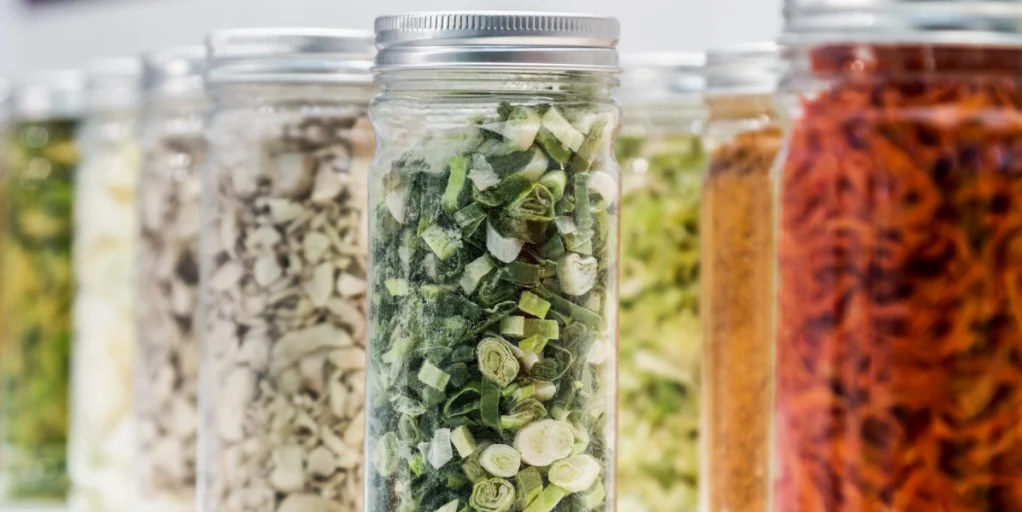 credits:httpspracticalselfreliance.com
A study from Newcastle University School of Agriculture, Food and Rural Development, backed by global ingredient producer Chaucer, confirmed these findings. Another research project at Sheffield Hallam University revealed that freeze-dried strawberries showed zero loss of vitamin C, minimal losses in phenolic content, and just an 8% drop in TAC (antioxidant capacity) — something I found truly surprising.
What also amazed me is how shelf-stable freeze-dried foods are. They don’t need refrigeration, which saves energy and storage space. A strawberry or tomato turns into a light powder, using only 5–10% of its original volume, making it perfect for small pantries or travel packs.
From a real-life standpoint, I’ve used freeze-dried ingredients in smoothies, baking, and emergency kits — and they deliver just as well. Their benefits go beyond nutrition: they’re a practical solution for emergency preparedness, long-term storage, or even day-to-day convenience.
If you compare this with traditional preservation methods like drying, salting, or even modern refrigeration, the difference is huge. Freeze-drying is both an effective and popular technique today, especially among the health-conscious and convenience-oriented.
So, while fresh food has its place — especially in taste, texture, and natural quality — freeze-dried alternatives offer practical advantages like longer shelf life, better portability, and reduced spoilage. For many, they’ve become the smarter, more sustainable choice in the nutrition game.
Hidden Truths of Freeze-Dried vs Fresh Food (H2)
Understanding the Basics of Freeze Dried vs Fresh Food Benefits
When I first learned about freeze-drying, also known as lyophilization, I was amazed by how this preservation technique works. It removes moisture from food by freezing it and then using a vacuum to turn frozen water into vapor through a sublimate process. This gentle method retains the structure, flavor, and nutrients of the food while giving it a long shelf life. The result is freeze-dried foods that are lightweight, shelf-stable, and perfect for storage and easy transport. You’ll find them in everything from strawberries, blueberries, and instant coffee, to full meals, camping entrees, and even emergency kits for space missions.
 credits:grapetree.co.uk
freeze-dried candy health benefits On the flip side, fresh food is usually processed or preserved quickly after harvest to be consumed while still full of flavor and nutrients. These perishable items—like raw fruits, vegetables, freshly cut meat, dairy, and seafood—need prompt use, proper refrigeration, and careful handling to maintain quality and safety. Though often valued for their natural taste, texture, and nutritional integrity, fresh foods can spoil fast if not eaten promptly. In my kitchen, balancing the benefits of fresh and freeze-dried options has helped reduce waste while still enjoying the best of both worlds.
Nutritional Comparison in Freeze Dried vs Fresh Food Benefits
From a personal standpoint, I used to think only fresh foods were rich in vitamins, but I’ve learned that freeze-drying has a minimal impact on nutritional value. The process uses low temperatures and vacuum pressure to remove water, helping preserve sensitive nutrients like vitamin C, potassium, and iron. Unlike traditional preservation methods like canning or drying, which often involve heat and lead to degradation, freeze-dried foods keep most micronutrients and content intact. This makes them a solid alternative for people looking to keep their meals nutritionally strong during storage or long transportation.
What’s also impressive is that freeze-dried meals maintain similar levels of protein and fiber as fresh ones. These macronutrients are structurally stable and aren’t easily broken down by freezing or vacuum pressure. In fact, even delicate enzymes and antioxidants are better preserved using this technique compared to heat-induced methods. benefits of freeze dried food Exposure to air, light, and temperature fluctuations during handling often causes fresh food to lose its water-soluble nutrients, including B-complex vitamins. So, when consumed promptly, fresh food has value, but from a macronutrient standpoint, freeze-dried options clearly match their counterparts and offer a viable choice in many scenarios.
Freeze-Drying: A Technological Marvel
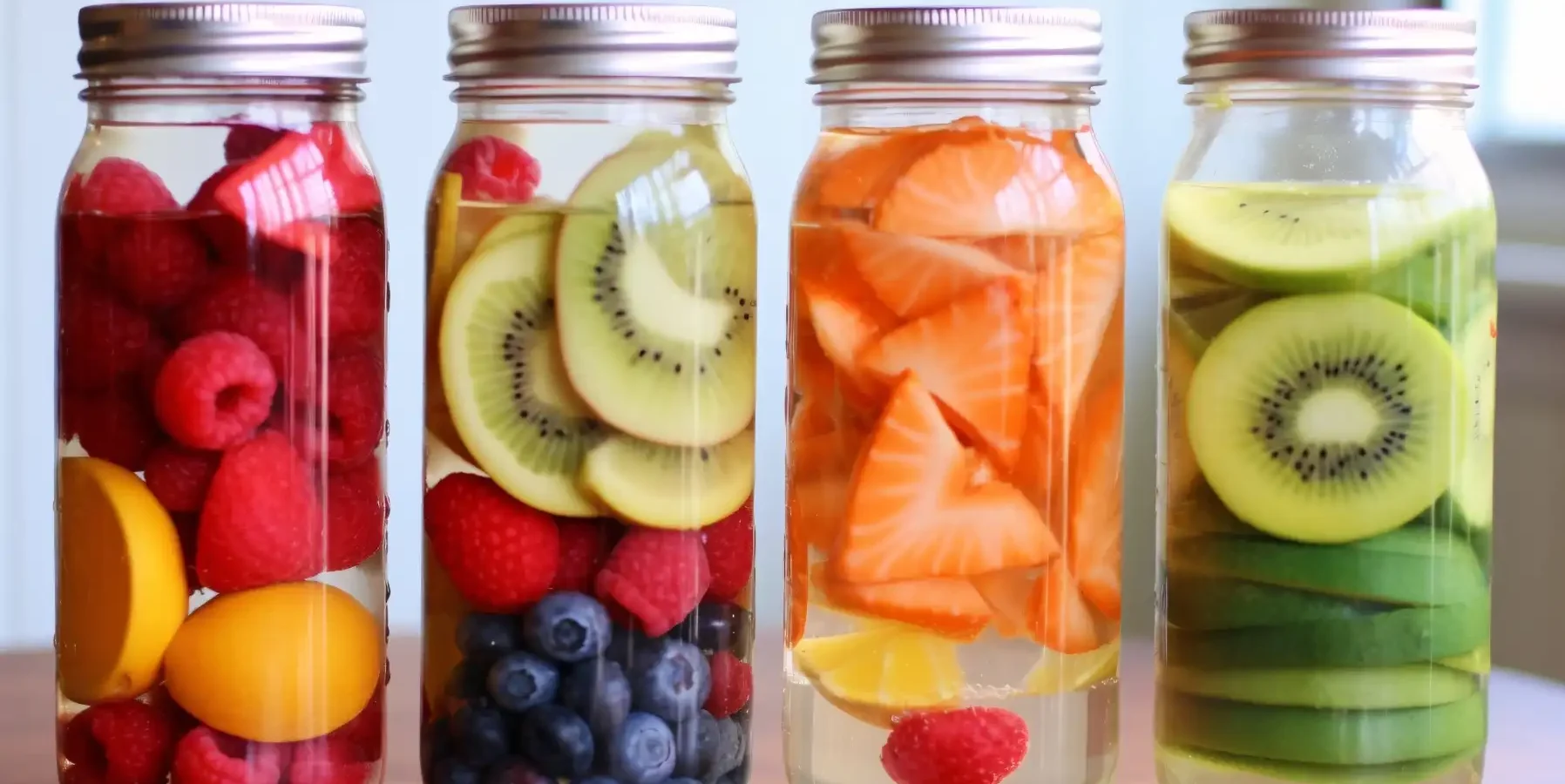
I still remember the first time I saw how freeze-drying worked—it felt like a modern, almost magical process. This sophisticated preservation technique involves freezing the food, applying a vacuum, then warming it slightly to turn frozen water into vapor without going through the liquid stage. This careful process, known as sublimate, helps in removing moisture while keeping the structure and nutritional integrity of the food intact. What you get is something lightweight, shelf-stable, and dense with nutrients—it really is one of the most impressive technologies in food science.
 credits:grapetree.co.uk
Compared to traditional methods like canning and dehydrating, which often cause nutrient loss due to heat and oxygen, freeze-drying minimizes these losses, retaining a high percentage of vitamins, minerals, and antioxidants. Some vegetables like kale and sweet corn stay nutritionally powerful for up to 25 years when stored correctly. For long-term emergency preparedness, or even everyday needs like backpacking, camping, and outdoor activities, the advantages are clear—less weight, more space, and no spoilage. No more frustration over wilted herbs—I now just keep them stocking neatly on my shelves, ready to go when I need them.
Do freeze-dried fruits have the same nutritional value as fresh fruits?
I used to wonder if freeze-dried fruits were just a snack or if they held real nutritional value like fresh ones. The truth is, the process that removes water from the fruit doesn’t directly damage its key components. It’s done at a low temperature using freezing, followed by a high vacuum that turns frozen water into gas through sublimation. This method locks in both inorganic mineral content and organic compounds like vitamins, antioxidants, and sugars, which would otherwise degrade during traditional heating or cooking. I’ve learned that this kind of removal actually locks the nutritional profile at the moment of ripening, avoiding any loss due to further synthesized changes or degradation.
Compared to boiling, where water-soluble nutrients are lost at 100°C, freeze-drying is gentle. There’s no melting, no boiling, and no harsh energy-intensive reactions. It avoids chemical changes and helps preserve the flavor, desired texture, and nutrient contents for up to 25 years if kept in airtight containers. how-to-make-your-morning-easier-and-more-enjoyable-for-yourself-freeze-dried-coffee From a practical view, it’s ideal for emergency preparedness, camping, and even regular storage needs. The advantages lie in its compact, convenient form that doesn’t need refrigeration, minimizing spoilage, saving energy, and adding flexibility and portability to how we manage our food.
Freeze-Drying vs. Dehydration
When I started exploring how to keep my foods longer without losing their nutritional value, I discovered the difference between freeze-drying and dehydration. While both methods remove moisture, freeze-drying uses a low-temperature process that better preserves nutrients. In contrast, dehydration is a heat-involved method that can diminish the nutritional content by 40–50%. That’s a huge loss when you’re counting on your product to deliver real health benefits. Over time, I noticed that freeze-dried items not only kept their flavor and texture more intact but also lasted much longer on the shelf.
 Credits:httpskoala.sh
Of course, freeze-drying isn’t without its disadvantages. The full process is more advanced, and that usually means an increased cost. But the shelf life, nutrition, and the wide variety of foods you can preserve with this method make it worth it for many. Personally, I use freeze-dried fruits and veggies often, especially for snacks or recipes where I want to save time and space. Once you weigh the quality and convenience, the trade-off seems fair.
Freeze-Dried vs. Fresh Food: Why you should choose the freeze-dried option
After trying both fresh and freeze-dried foods, I started seeing the real everyday benefits of choosing the freeze-dried option. The freeze-drying method is a universal preservation technique that works on all kinds of food, from fruit to full dinner meals. What makes it different is how it locks in about 97% of the nutritional value. I’ve even found exotic or rare fruits that are hard to get fresh, already harvested at their peak ripeness and flash-frozen for maximum nutrition. In contrast, fresh fruits often get exported and transported, and the long transportation can end up wasting key vitamins and nutrients before they even reach your kitchen.
What really sold me is how well freeze-drying preserves not just nutrition, but also color, taste, appearance, and texture. The quality is often superior to other dehydrated methods, and the product easily reconstitutes to its original state with just a bit of water. It also has a longer shelf-life, is much lighter in weight, and is ideal for people like hikers and mountaineers, or even busy families like mine who just want a reliable backup. For me, it’s become more than just a trend — it’s a smart way to eat better and waste less.
Taste and Texture: Freshness vs. Rehydrated Experience
When it comes to taste and texture, there’s no denying that fresh food delivers a vibrant, natural aroma and a satisfying bite. The crisp texture of an apple, the juicy tenderness of just-cooked vegetables, and the full flavors consumed at their peak create an unmatched sensory experience. These strong mouthfeel qualities shape our perception of quality, and for many, it’s the gold standard when comparing food preservation methods. From a personal angle, I’ve always found the characteristics of fresh meals more pronounced and dynamic, bringing a sense of pure enjoyment every time.
However, freeze-dried foods also hold their ground by retaining the original flavor well, even though there are sometimes noticeable changes in texture. In their dry state, they can be brittle and crunchy, which actually works great for snacks like fruit chips. When rehydrated with water, the counterpart may feel a bit rubbery or less firm, and the flavor intensity can be slightly muted. Still, the convenience and ease of preparing quick meals often outweigh these small differences. For someone with a sensitive palate, it might take a moment to adjust, but many find the ability to nearly replicate the fresh experience surprisingly satisfying.
Cost and Environmental Impact: Balancing Price and Sustainability
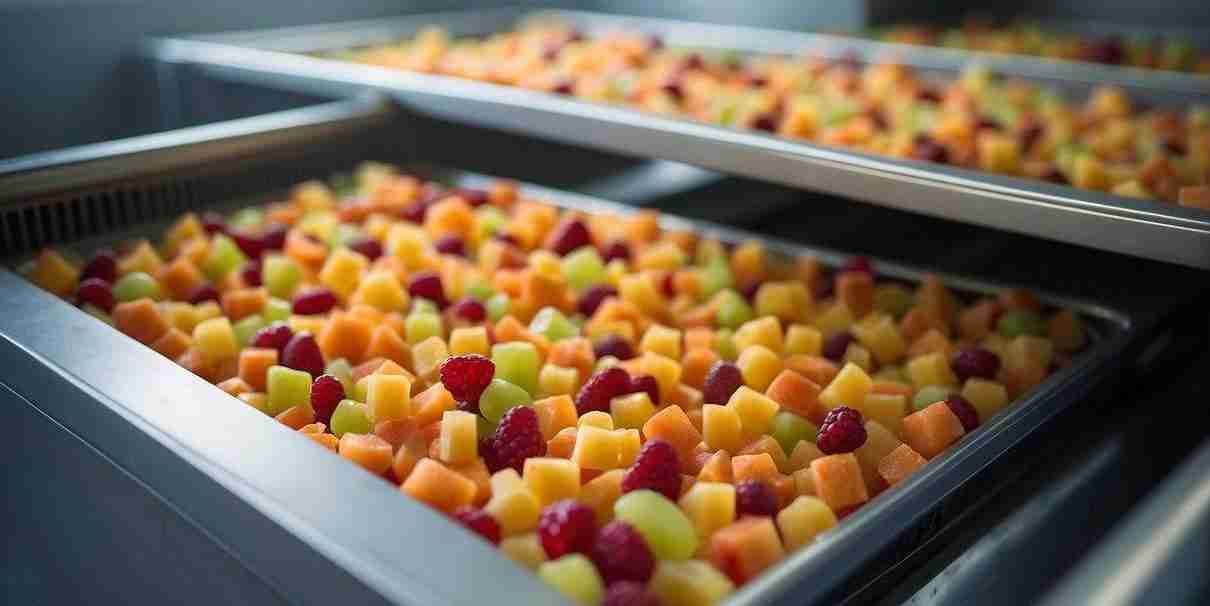
At first glance, freeze-dried food may seem more expensive due to the technology and processing behind it. But over time, I’ve found it surprisingly cost-effective. The long shelf life, ability to buy in bulk, and minimal waste make it a smart choice for emergency preparedness or busy families like mine. Unlike fresh food, which might be cheaper at the moment of purchase, frequent repurchasing and spoilage add up. Many don’t realize the cumulative spending from hidden costs like constant refrigeration, short consumption windows, and limited storage options in smaller households or regions with poor access to fresh produce.
 Credits:httpskoala.sh
From an environmental perspective, the freeze-drying method does require energy-intensive steps like freezing, vacuum, and drying stages, which contribute to its carbon footprint. However, this is often offset by reduced waste, less spoilage, and the elimination of constant refrigeration needs during storage. In developed countries, over-purchased produce often ends up in landfills, creating methane emissions and wasting valuable resources. In many contexts, freeze-dried food can be a more sustainable solution by reducing long-term demands on food systems and offering a practical alternative where consistent access to fresh food isn’t guaranteed.
What is better: the freeze-dried or dehydrated approach?
When I first explored preservation methods for food, I looked into both freeze-drying and dehydration. While both focus on removing moisture to make food last longer, their techniques are very different. Freeze-drying works by lowering the pressure, turning ice into gas through sublimation. This method helps preserve up to 98–99% of the nutritional value, and the food can last up to 20 years when stored properly. On the other hand, dehydration is a more conventional, even ancient, process where food is heated and water evaporates. It’s effective but usually destroys more nutrients and only retains about 80–90%, giving a shelf-life of around 2–4 years.
In my kitchen, I’ve used both, and the difference is clear. Freeze-dried foods taste better and feel lighter while holding more of their original flavor and nutrients. Although dehydrated foods are cheaper and great for simple storage, the high temperatures they use can break down delicate nutrients. If your goal is to get the maximum amount of nutrition and keep it lasting, the recommended method is definitely freeze-drying. While canning and frozen foods also play a role, freeze-dried is the one I trust most for keeping both taste and health intact.
Traditional Food Storage Methods: Time-Tested Techniques
For centuries, people have used traditional food storage methods like dehydration, salting, smoking, and canning to keep their meals safe for extended periods. These natural processes were essential long before modern freeze-drying came into play. I’ve seen how canning, which involves sealing food in airtight containers and heating it to kill microorganisms, can change the taste and texture of food. But it also brings nutrient loss due to the high temperatures used. Canned goods are often bulkier and heavier than their freeze-dried counterparts, which makes them harder to carry or store in small spaces.
 credits:httpswww.makbiotek.com
Meanwhile, dehydration removes moisture from food without needing artificial ingredients, though it can still be intrusive for heat-sensitive vitamins. While dehydrated foods are more lightweight, they often require rehydration before consumption. I’ve also prepared meats using smoking and salting, which rely on salt and smoke for their antimicrobial effects. Though these methods work, they have a limited application and don’t suit the full variety of modern foods. Compared to today’s technological sophistication, freeze-drying offers a more efficient way of preserving food with fewer compromises.
Taste and Texture:
When it comes to taste and texture, both matter a lot in how we enjoy food and how much influence it has on our overall appeal. I’ve found that freeze-dried foods often maintain a close resemblance to their fresh counterparts, with only minimal changes in flavor and feel. Unlike traditional methods that often alter the food due to exposure to heat or the addition of preserving agents, freeze-dried food tends to keep its original charm. This ability to keep the preserved quality close to fresh is what really stands out when comparing preservation techniques.
Safety and Preservatives: Health Risks and Microbial Control
One major advantage of freeze-dried food is its safety—the low moisture content significantly reduces the risk of microbial growth, preventing bacteria, mold, and yeast from thriving. This process naturally stops the development of harmful organisms without the need for artificial preservatives, making it a dependable option for long-term storage and emergency preparedness. When kept in sealed packaging with oxygen absorbers, the food remains safe and edible for years. On the other hand, fresh items like meat, dairy, and produce are more prone to spoilage, foodborne illnesses, and contamination due to poor hygiene or unsanitary conditions. Without proper refrigeration, their consumption window is short, requiring careful attention to expiration dates and handling practices to ensure consumer health.
FAQS (Frequently Asked Question)
Is freeze-dried food as healthy as fresh food?
Freeze-dried food, when processed and stored properly, retains 90–95% of its original nutrients, making its nutritional profile very comparable to fresh items that may lose sensitive vitamins like vitamin C during storage and transport, or degrade slightly overall.
How long can freeze-dried food last compared to fresh food?
Freeze-dried food can last 10 to 25 years in airtight packaging protected from moisture and light, in contrast, fresh food typically lasts just a few days or a couple of weeks depending on the type, storage, and method used.
Does freeze-dried food taste the same as fresh food?
Freeze-dried food often retains its original flavor, but the texture changes dramatically; when rehydrated, the taste is close to fresh, though people may notice slight differences in aroma and feel, especially in certain foods like dry, crispy fruits with concentrated flavors.
Is freeze-dried food more expensive than fresh food?
Freeze-dried foods may cost more upfront due to advanced processing and packaging, but they become cost-effective in the long term by reducing food waste, eliminating refrigeration, and allowing bulk storage with added convenience.
Is freeze-dried food safe to eat without preservatives?
Freeze-dried food is naturally preserved by removing moisture, which prevents microbial growth without needing artificial preservatives, keeping it safe for extended periods in a sealed, dry environment.